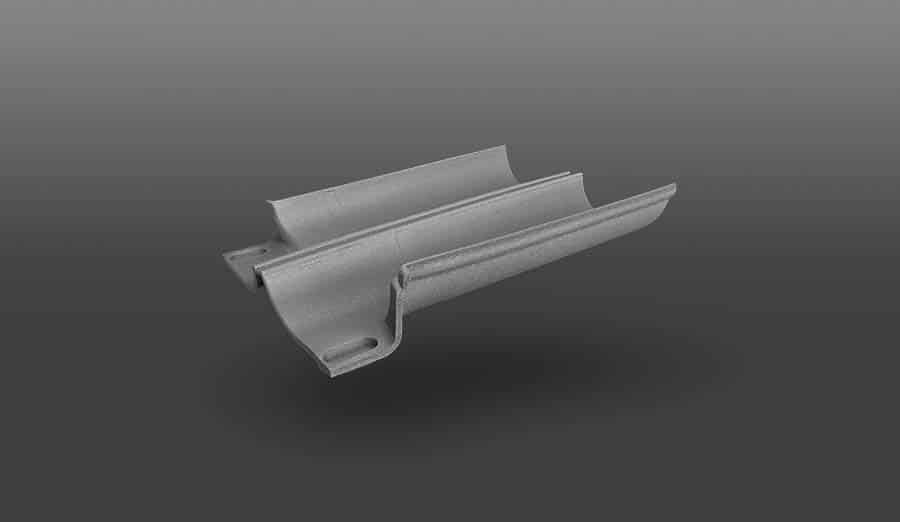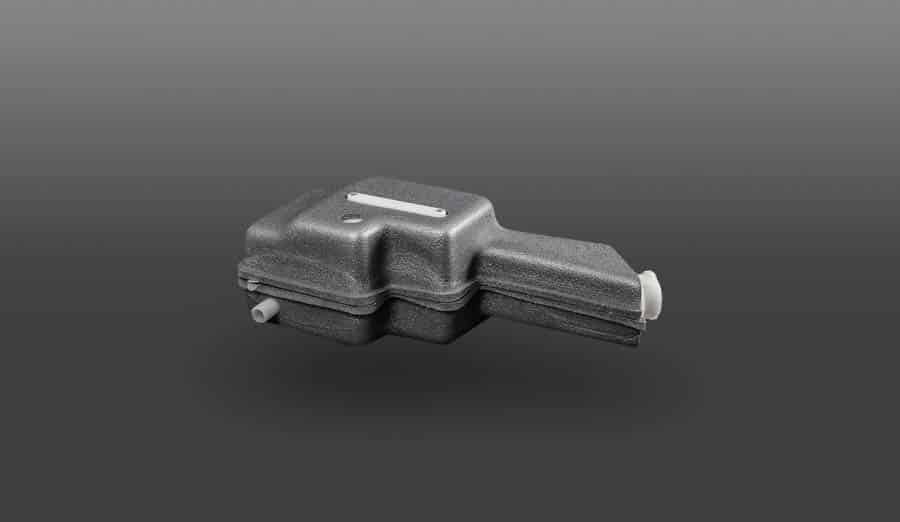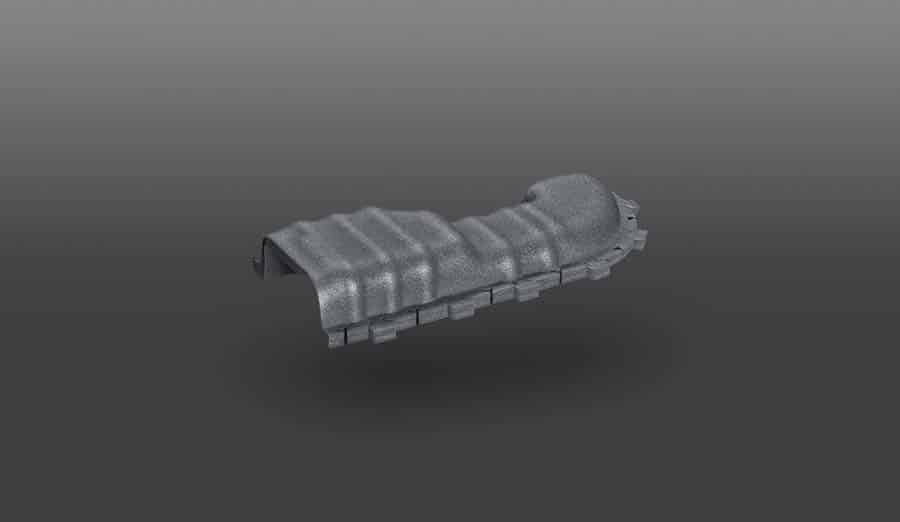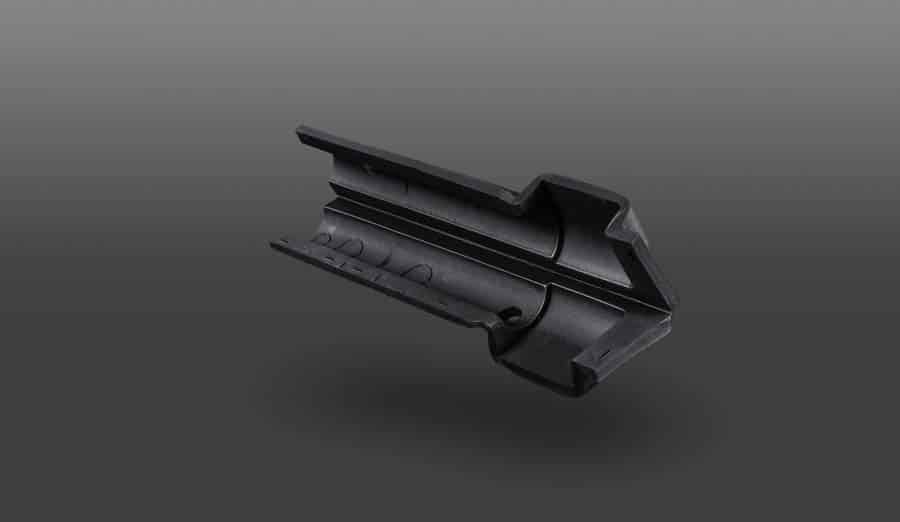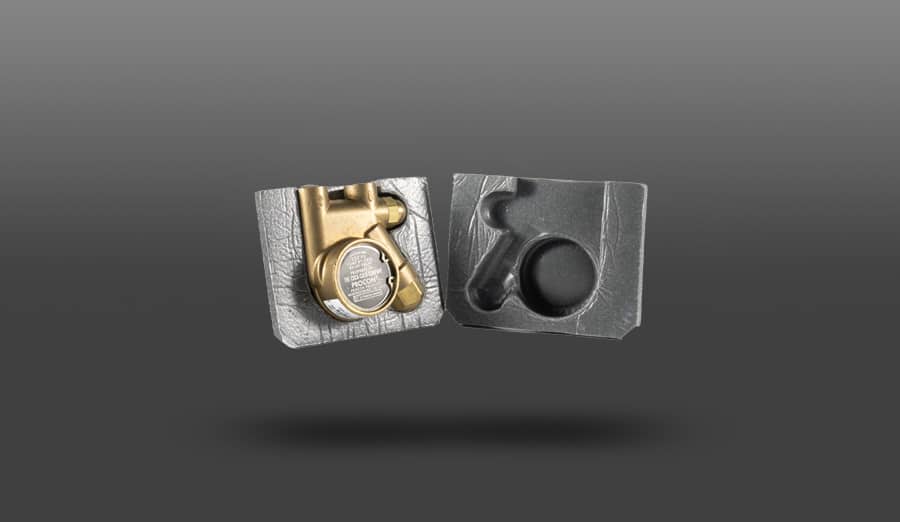

Flextech utilizes vacuum forming to thermoform foam and foam composites that only require defined part geometry on one side of the part. The material is heated and pulled over a male tool or into a female tool. A vacuum draws the foam into and around the tool surface to form the geometry of the part. The part is then allowed to cool and removed from the tool.
We have the ability to vacuum form cross-linked polyethylene foams and Ethylene-Vinyl Acetate (EVA) foams and foam/adhesive composites.
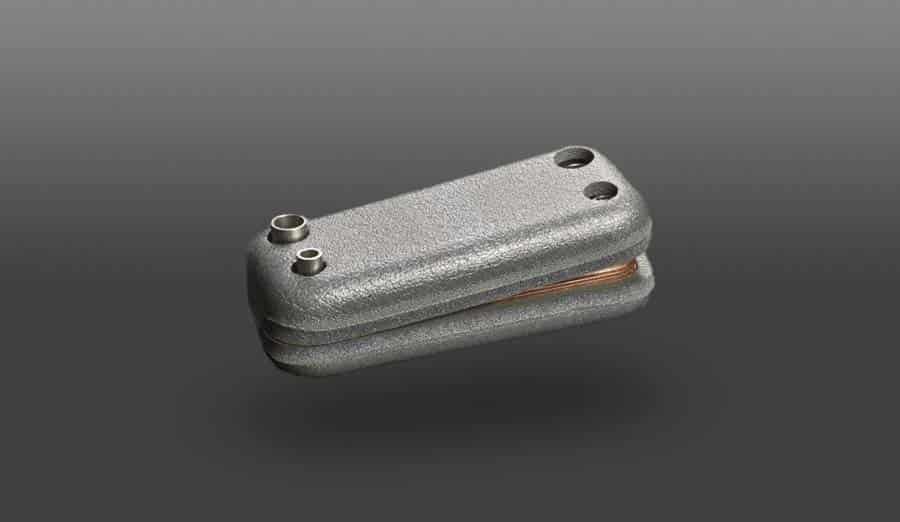
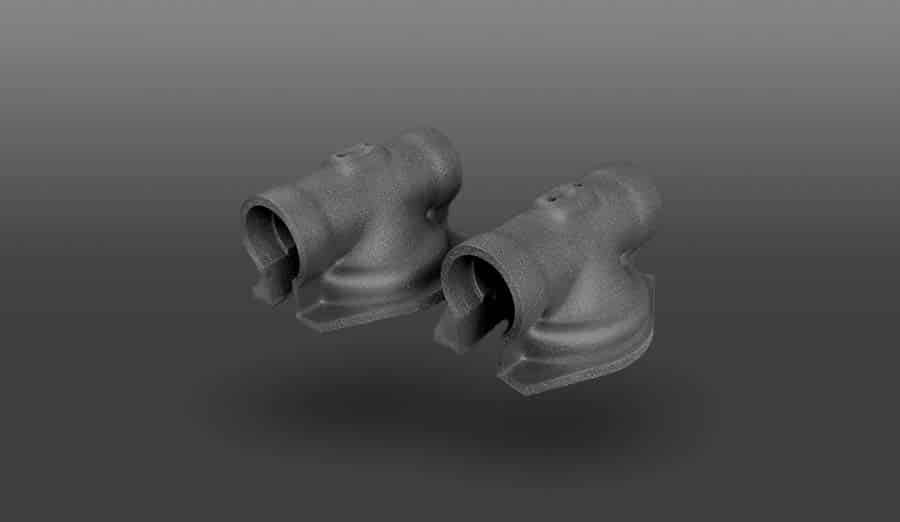
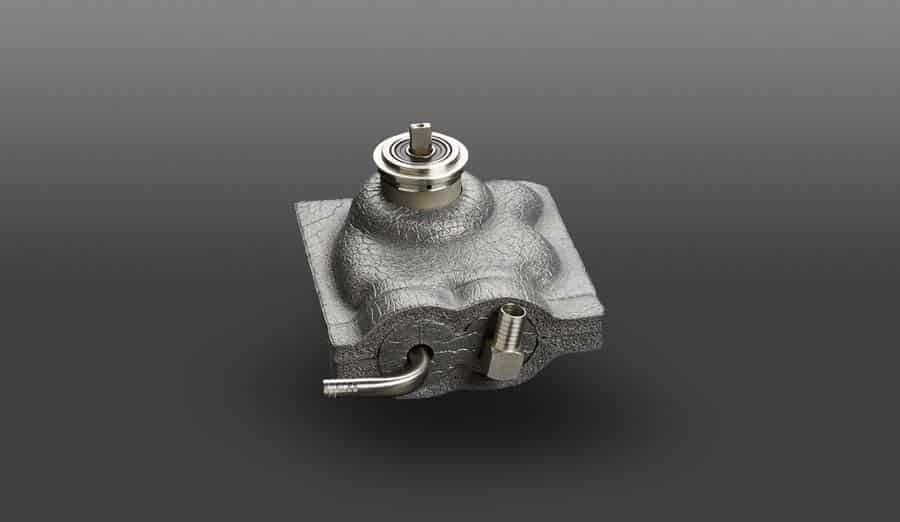
Flextech utilizes our vacuum forming processes primarily to produce parts for industrial markets. We manufacture custom insulation components for thermal insulation applications. These parts are used in a wide variety of refrigeration, freezing, ice making, beverage dispensing, industrial chilling, and air handling equipment. They function to minimize condensation, thermal energy loss and therefore improve machine efficiency. We are also able to laminate pressure-sensitive adhesive (PSA) transfer films to foams prior to vacuum forming. This process allows us to provide adhesive-lined insulation parts. On these parts, the release liner can be removed to expose the adhesive that lines the inside of the part. The part is then easily and quickly applied to a component or assembly. We make this type of insulation jacket for expansion valves and bulbs, accumulators, evaporators, pumps, and heat exchangers, to name a few. Our customers’ experience has shown that these types of parts can be very cost-effective not only from a material standpoint but also in minimizing labor costs during the assembly process.
The typical thickness range for vacuum-formable foam is .125 inches (3 mm) to about .75 inches (19 mm), depending on the foam type and density. Thinner foams form easily around detailed shapes, while thicker foams may require higher heat, stronger vacuum, or possible use of a plug assist to former deeper draw features. Flextech’s vacuum forming process and tooling design are optimized to maintain uniform wall thickness as much as is possible as well as consistent part geometry across a wide range of material thicknesses.
Vacuum-formed closed-cell, cross-linked foam provides lightweight, durable, and thermally efficient solutions for insulation applications. The process allows complex shapes and contours to be formed precisely, enabling tight-fitting insulation components that minimize condensation and improve energy efficiency. In addition, cross-linked foams such as EVA and polyethylene provide low water absorption, high thermal resistance, and long-term durability, making them ideal for medical, industrial, and specialty thermal applications.
The typical thickness range for vacuum-formable foam is .125 inches (3 mm) to about .75 inches (19 mm), depending on the foam type and density. Thinner foams form easily around detailed shapes, while thicker foams may require higher heat, stronger vacuum, or possible use of a plug assist to former deeper draw features. Flextech’s vacuum forming process and tooling design are optimized to maintain uniform wall thickness as much as is possible as well as consistent part geometry across a wide range of material thicknesses.
Vacuum-formed closed-cell, cross-linked foam provides lightweight, durable, and thermally efficient solutions for insulation applications. The process allows complex shapes and contours to be formed precisely, enabling tight-fitting insulation components that minimize condensation and improve energy efficiency. In addition, cross-linked foams such as EVA and polyethylene provide low water absorption, high thermal resistance, and long-term durability, making them ideal for medical, industrial, and specialty thermal applications.
We look forward to an opportunity to work with you on the development of your vacuum formed foam project.