About Foam Laminating

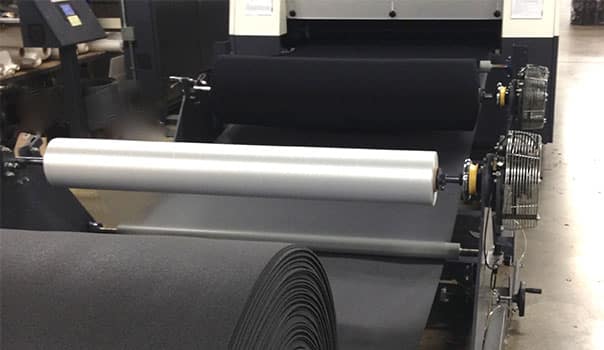
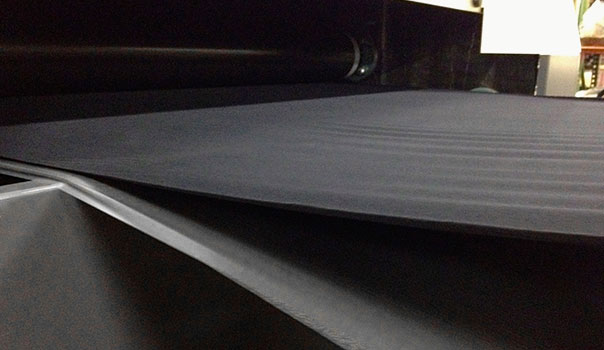
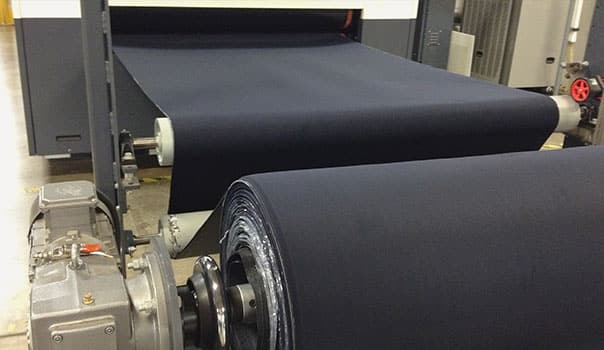
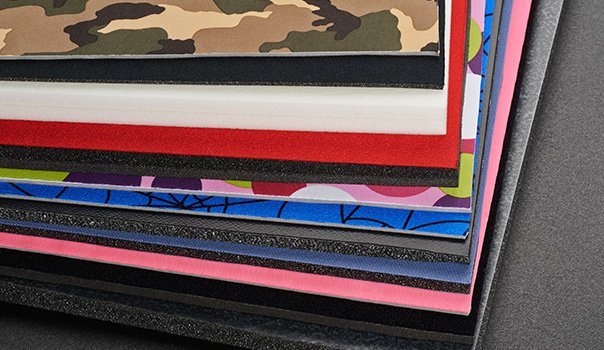
Flextech has a range of lamination capabilities that allow us to manufacture custom composites from a wide variety of foams and other substrates. The substrates include, but are not limited to, open and closed-cell foams, knit and woven textiles, thermoplastic films, medical-grade coated fabrics, pressure-sensitive adhesives, and many other specialized materials.

Our lamination capabilities include hot melt film lamination, flame lamination, and pressure-sensitive adhesive lamination. We will work with you to thoroughly understand the functional requirements of your application in order to determine which lamination process will provide the necessary functionality of the composite, and which process will be the most cost-effective.

We look forward to an opportunity to work with you on the development of your laminated foam project.
FAQs

What is foam lamination?

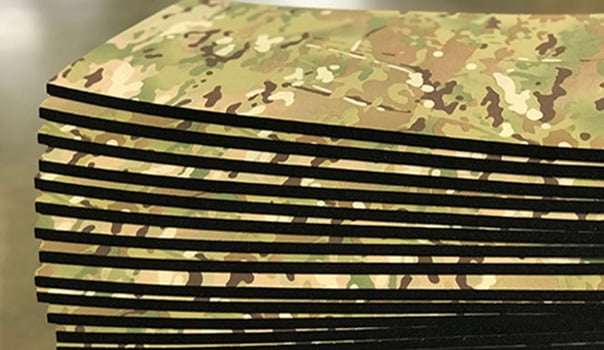
Foam lamination is a general description of several manufacturing processes where a foam material is permanently bonded to one or more other substrates, such as another foam, fabric, adhesive, specialty textiles, film, or other material, to create a single composite structure with enhanced properties. This bonding transforms multiple layers into one functional composite with improved mechanical, aesthetic, or protective performance properties.

What are the different foam lamination processes used by Flextech?

Pressure-Sensitive Adhesive (PSA) Lamination
Pressure-sensitive adhesive lamination uses a pre-applied adhesive layer, such as adhesive tape, transfer film, or coated foam, to bond the foam to another substrate. The adhesive is tacky at room temperature and requires only low heat to slightly warm the adhesive surface. Moderate pressure is applied by a nip roller system, and no solvents or curing time are required. This resultsina very efficient and clean process with minimal equipment investment and a quick bonding process.
 
Heat (Thermal) Lamination
Heat lamination uses a combination of heat and pressure to activate an adhesive layer between the foam and the substrate. The adhesive may be a film, a hot-melt coating, or a thermoplastic nonwoven. When heated, the adhesive softens or melts, and nip pressure is applied to ensure complete surface contact between the materials. As the adhesive cools, a consistent and strong bond forms between the materials, making this method well suited for large-scale or automated production environments.
 
Flame Lamination
Flame lamination uses a direct, controlled gas flame to slightly melt the surface of a foam, typically open-cell polyurethane or closed-cell cross-linked polyethylene. The melted surface becomes tacky, and the substrate is immediately pressed(nipped)against the foam to create a permanent bond without additional adhesives. This process is fast, cost-effective, and capable of producing strong adhesion for compatible foams.

Why are foams laminated with other substrates?

Foams are laminated to combine different materials into a single engineered composite.

The composite materials can provide functional, design,or aesthetic enhancements. Laminated composites take advantage of the strengths of more than one material to create a foam composite that has propertiesthat a single foam cannot provide.

Laminated foam composites can provide the following:

• Combining materials with different performance characteristics to achieve specific performance requirements. This can also include changing the aesthetic appearance of a finished composite or part.
• Making foam stronger, more durable, and more functional for a particular application.
• Adding comfort, protection, or specialized functionality beyond what foam alone can deliver.
• Laminated composites can improve manufacturing efficiency and potentially minimize processing steps for a finished component. This could ultimately make processinga laminated compositea more cost-effective solution.
• Meeting precise engineering or functional product requirements in markets such as medical devices, industrial components, and personal protection applications.

What types of applications does Flextech manufacture custom laminated foam composites for in the primary medical, personal protection, and industrial markets it serves?

Laminated foam composites are widely used in medical device applications, including patient-contact products where biocompatibility, comfort, and repeatable performance are essential. Typical applications include:
• Orthopedic brace padding and support components (ankle, knee, back, and neck brace pads)
• Molded foam housings for diagnostic and therapeutic devices (to comply with ISO 10993)
• Wheelchair seating and positioning components
• Patient positioning pads (for diagnostic and surgical procedures)
• Prosthetic and orthotic components
• And many more
 
Laminated foam composites are also used extensively in applications in the broader personal protection market. Typical applications include:
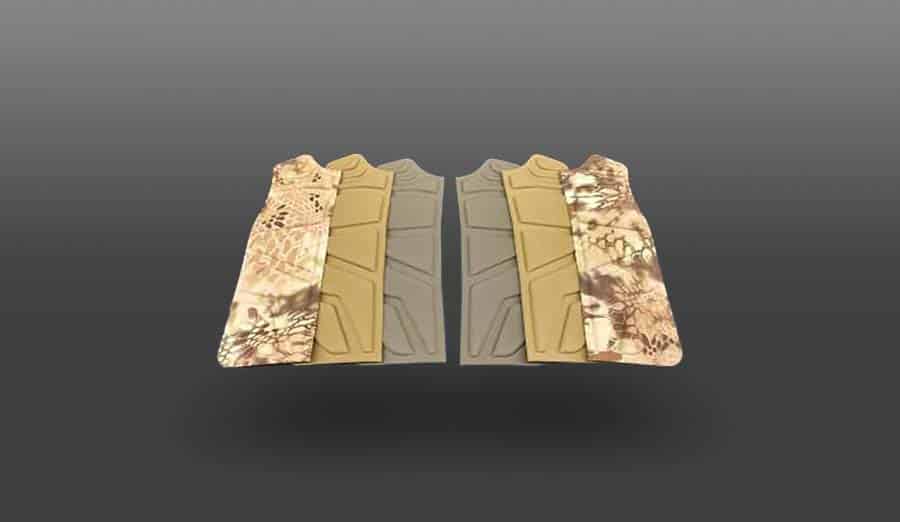
• Internal padding components for body armor vests and ballistic plate carriers
• Impact-absorbing and comfort padding components for industrial, tactical, and firefighting helmets
• Occupational and industrial safety support and padding components
 • Foam/fabric composites then molded into custom components for holster applications
• Protective eyewear components for industrial, military, and tactical markets
• Support and padding components for military, tactical, and law enforcement gear
• Padding and support components for military and recreational backpacks
• Knee and elbow pads for tactical, sports, and leisure applications
• Padding components for neck, back, ankle, and leg bracing and support applications
• And many more
 
Laminated foam composites are used in industrial applications where the addition of adhesives, films, and other substrates provides parts with enhanced properties and functionality. Typical applications include:
• Adhesive-coated gaskets and seals
• Thermoformed, adhesive-lined insulation jackets
• Dual-material barrier composites
• Acoustic and thermal insulation composites
• And many more

We look forward to an opportunity to work with you on the development of your laminated foam project.