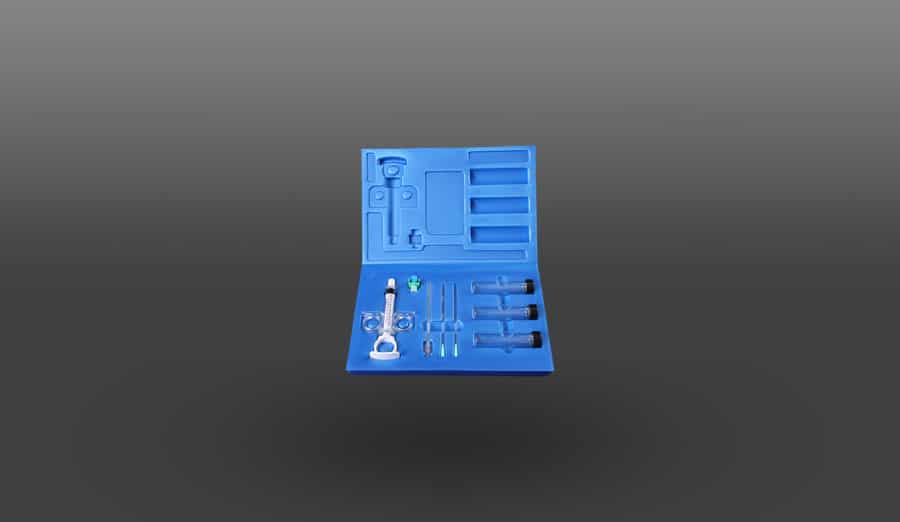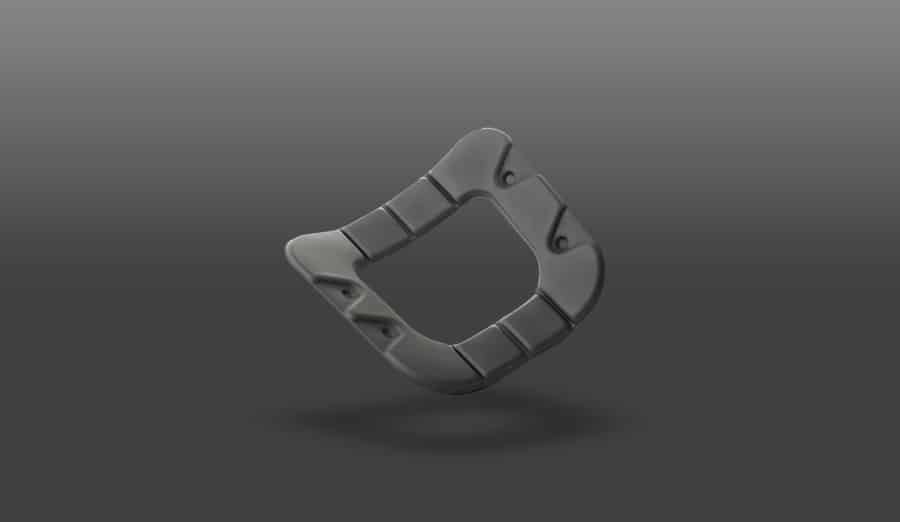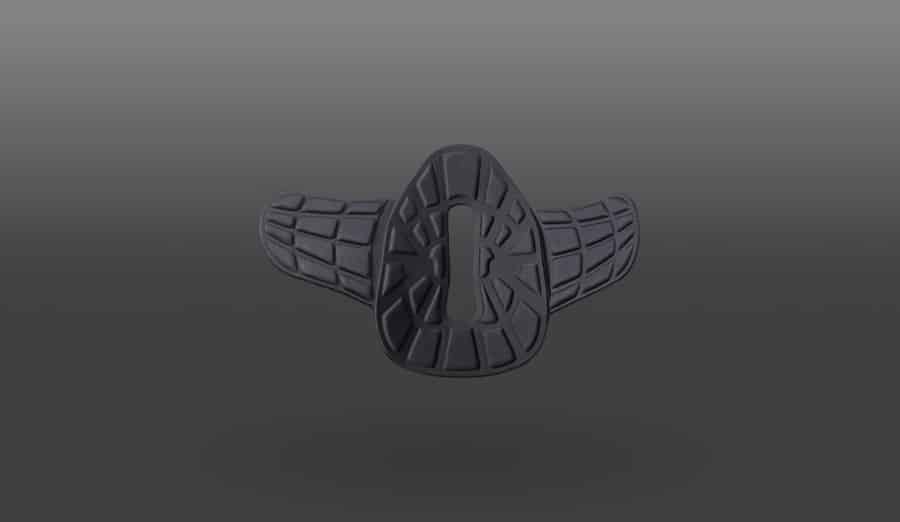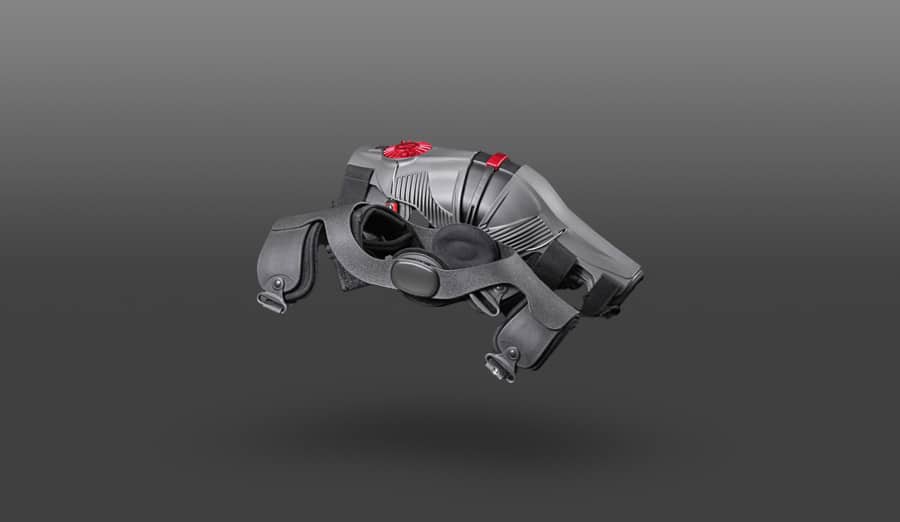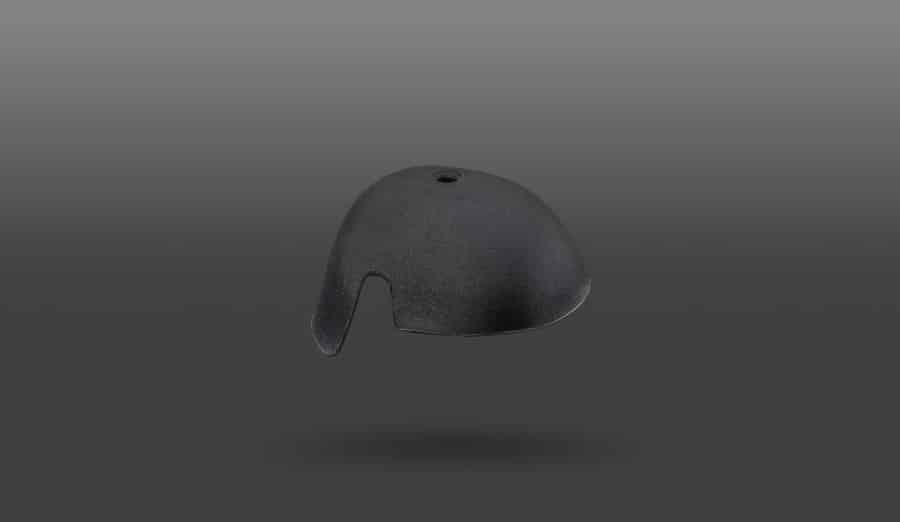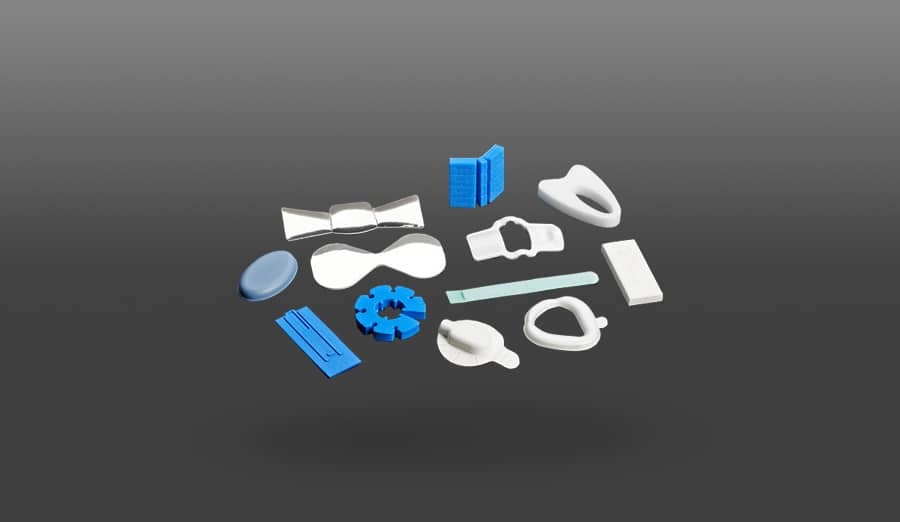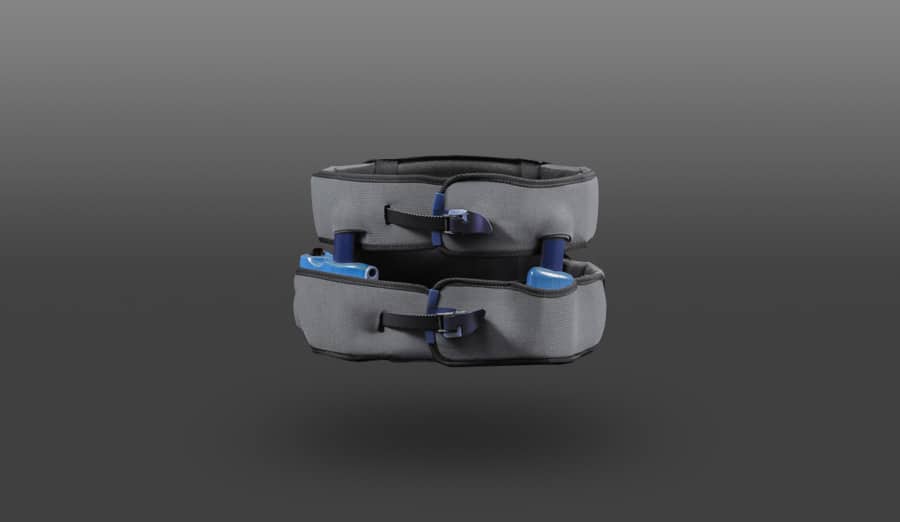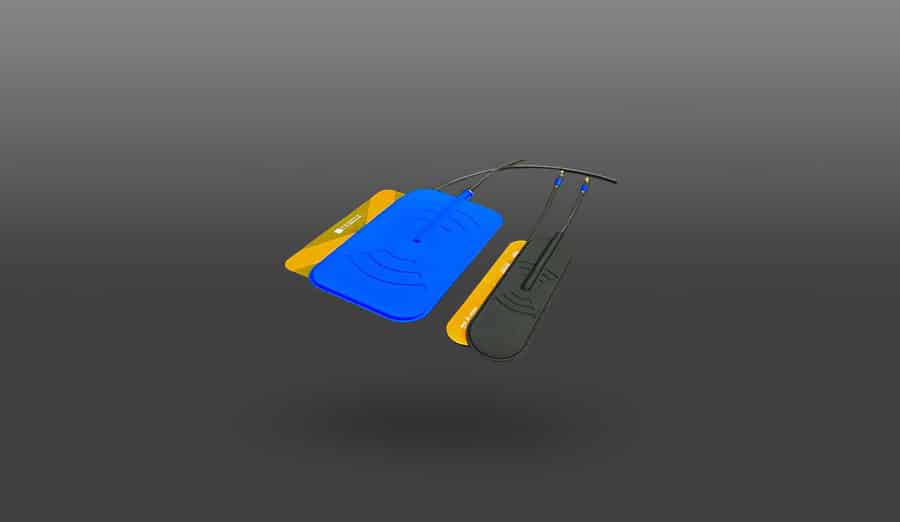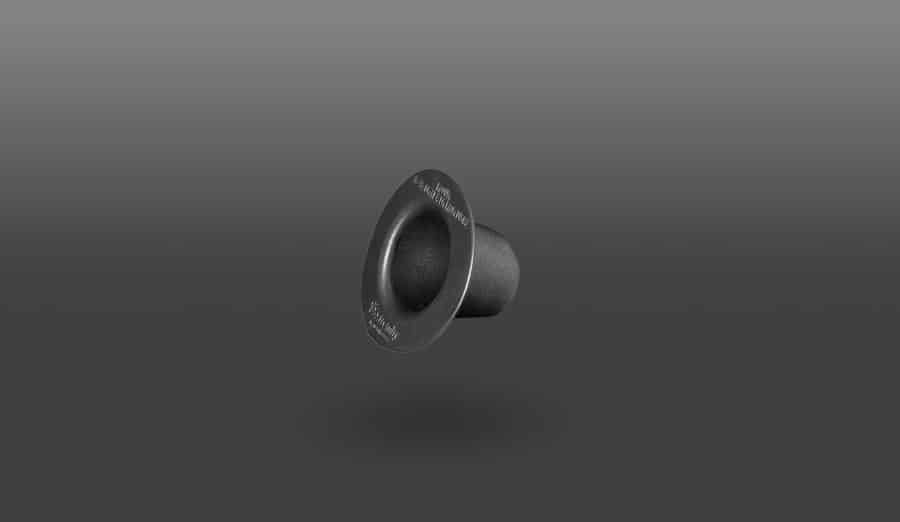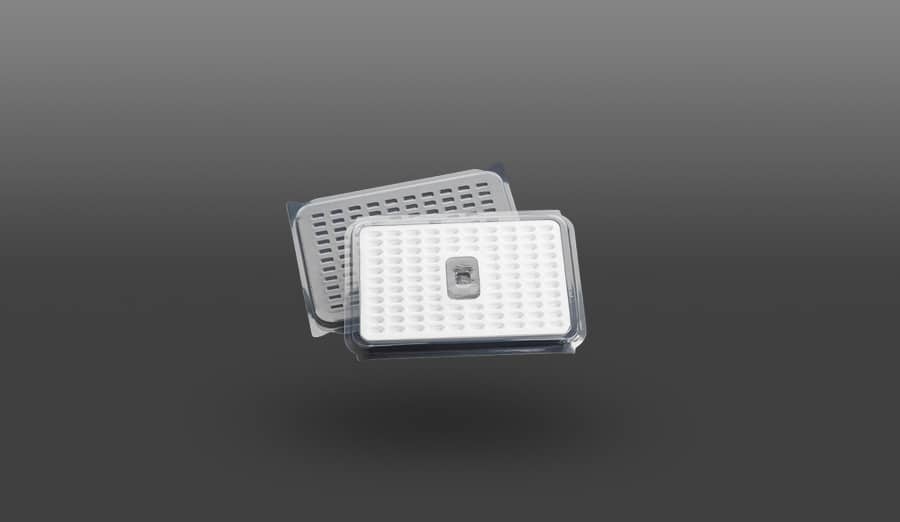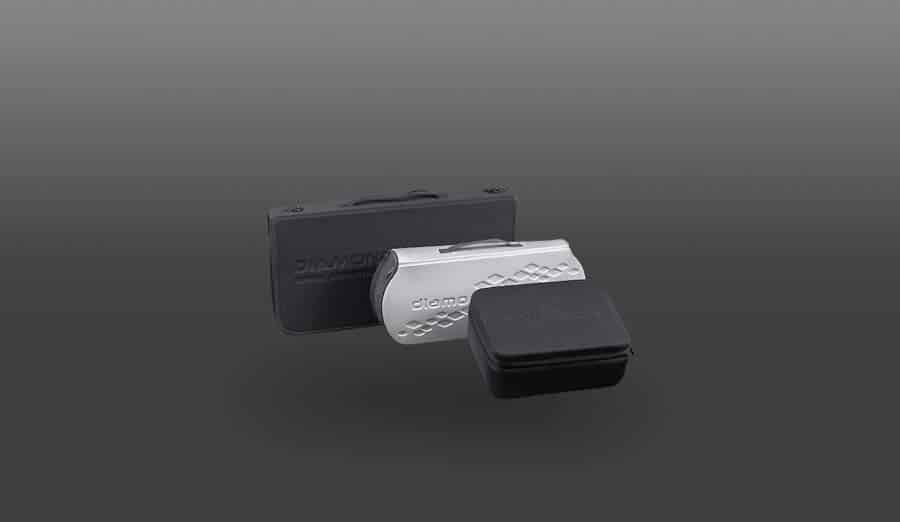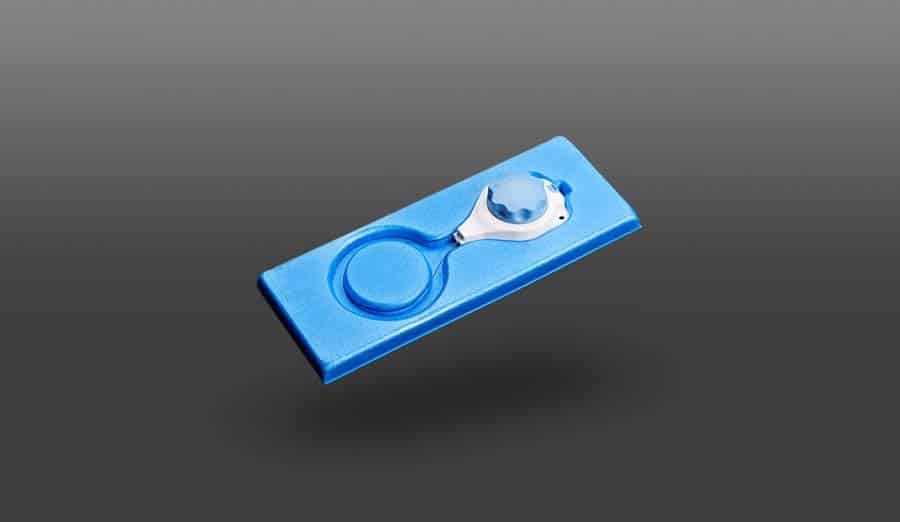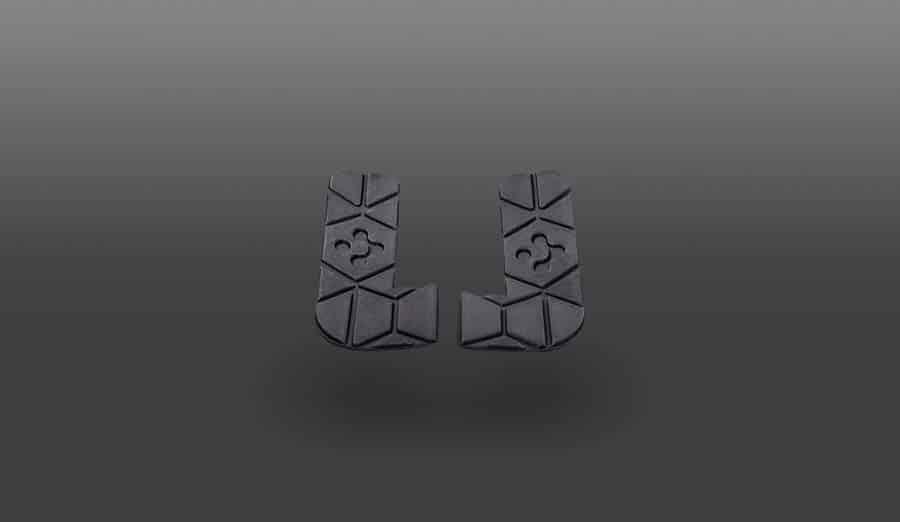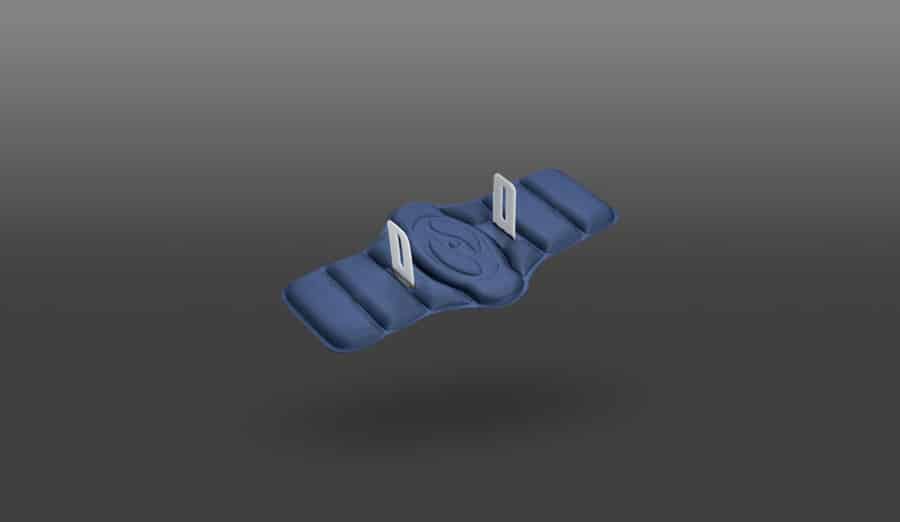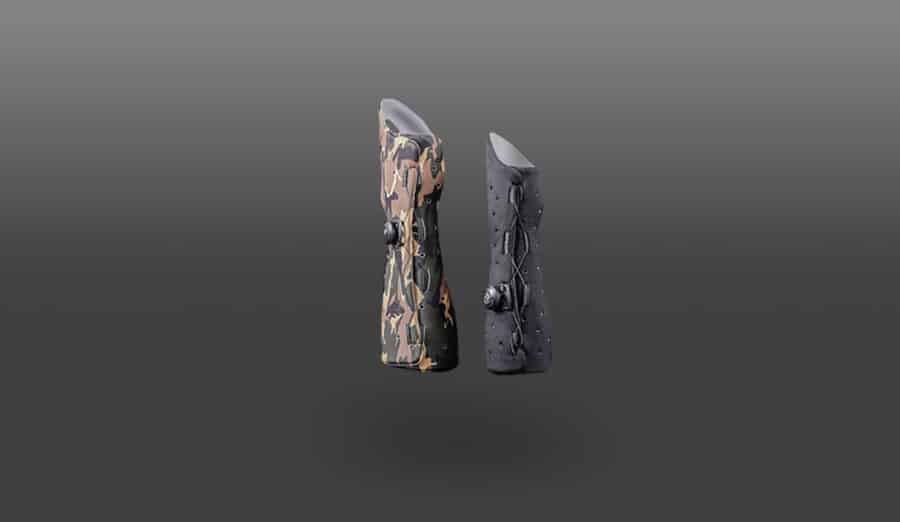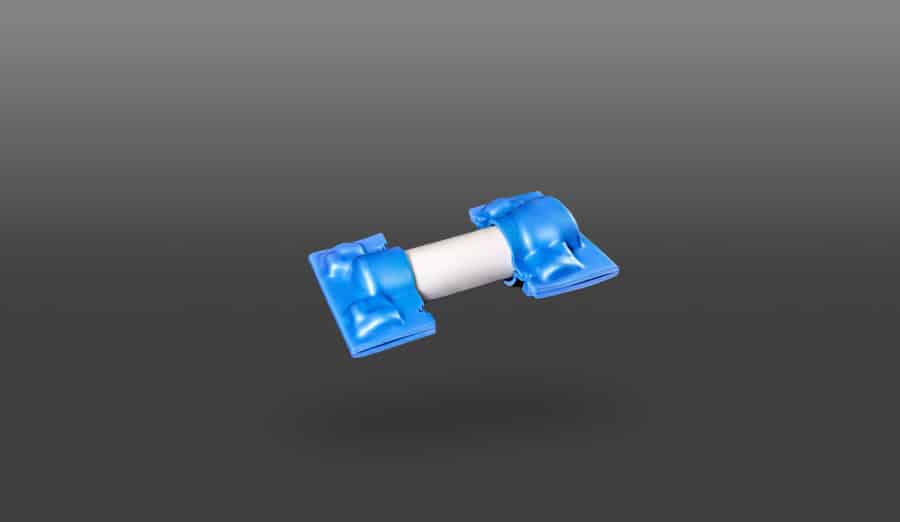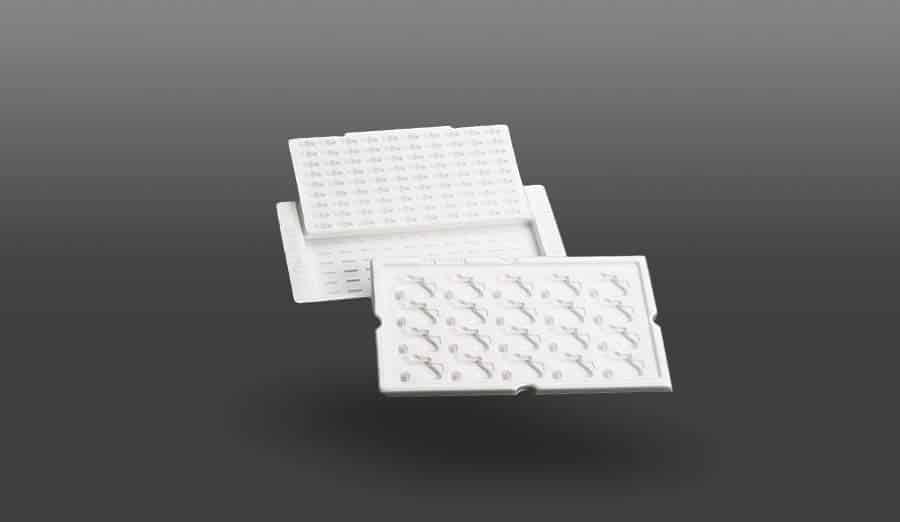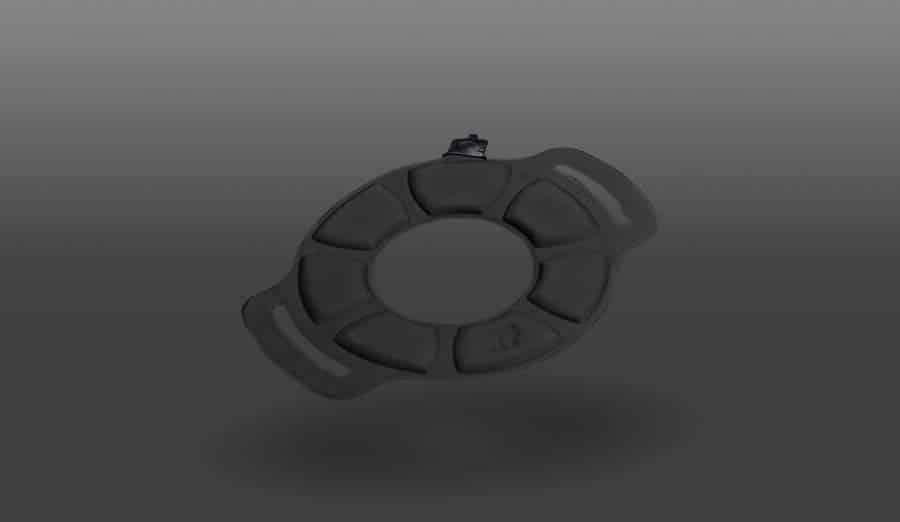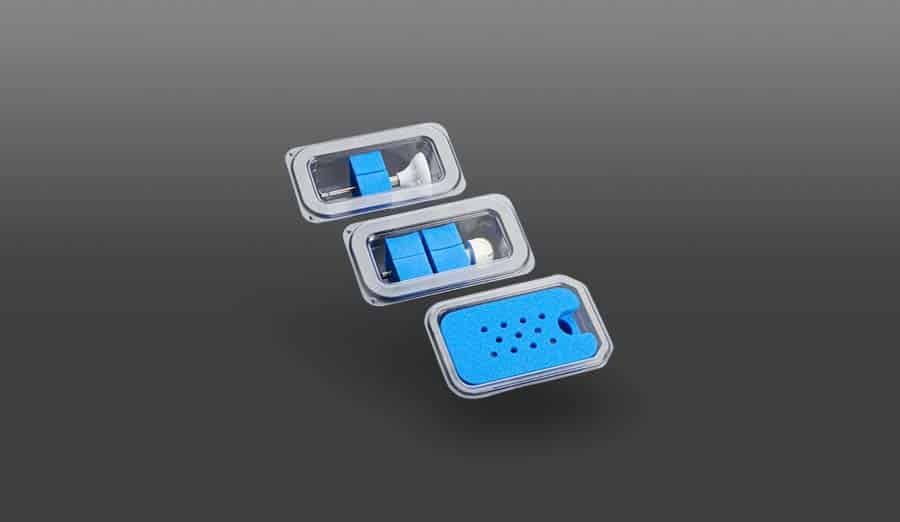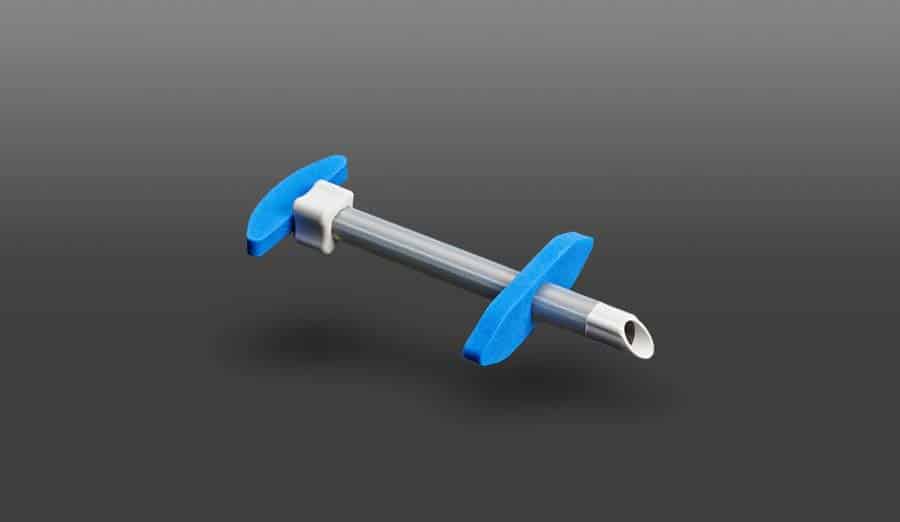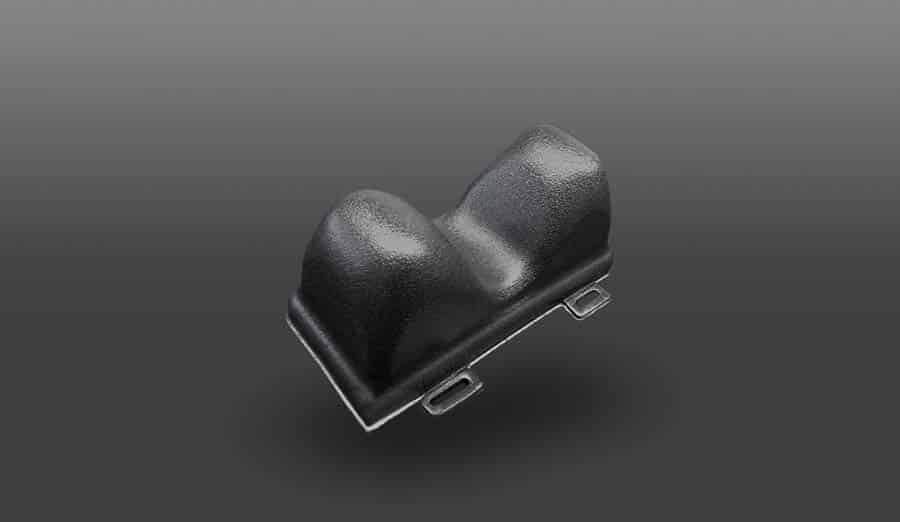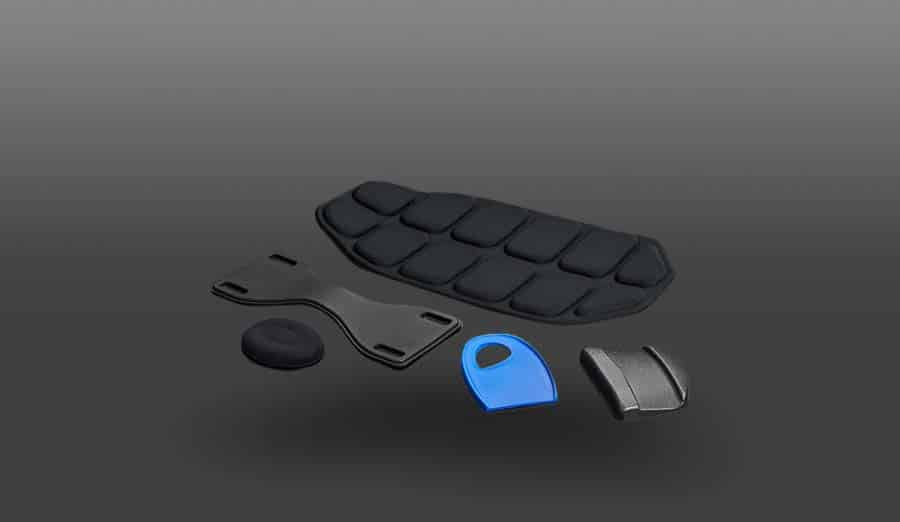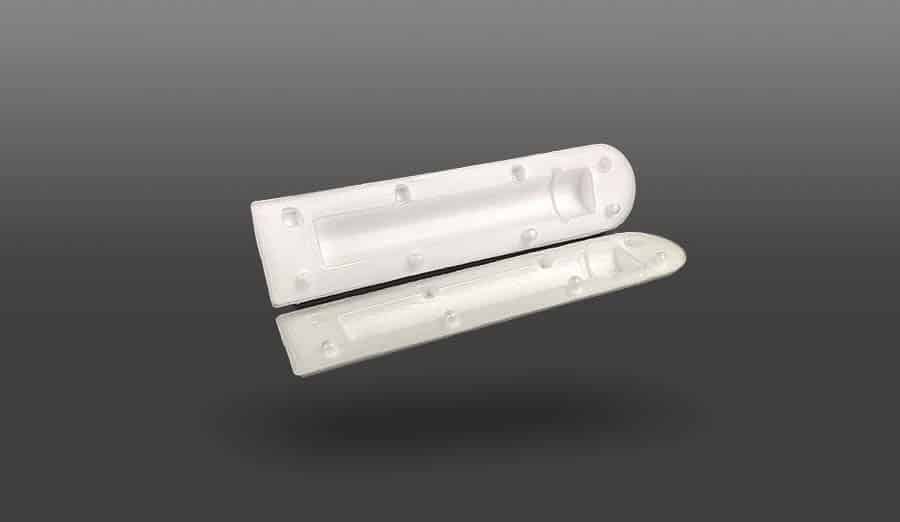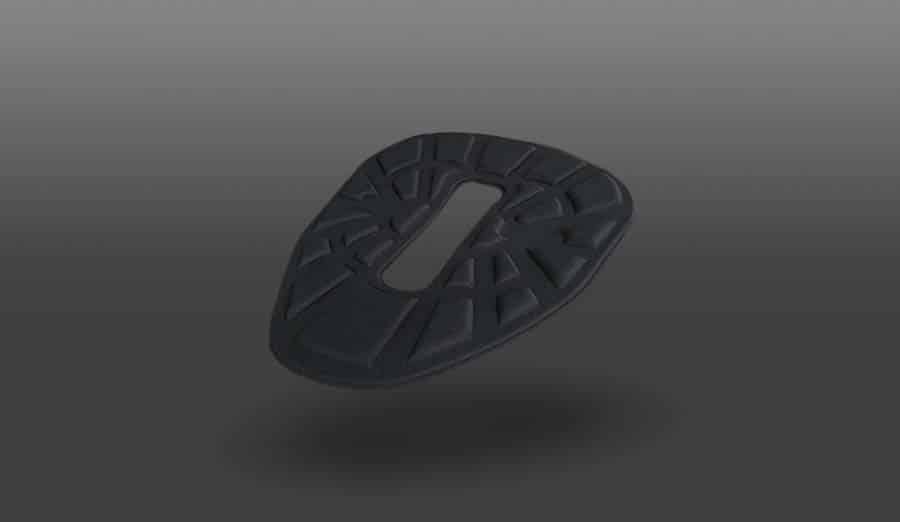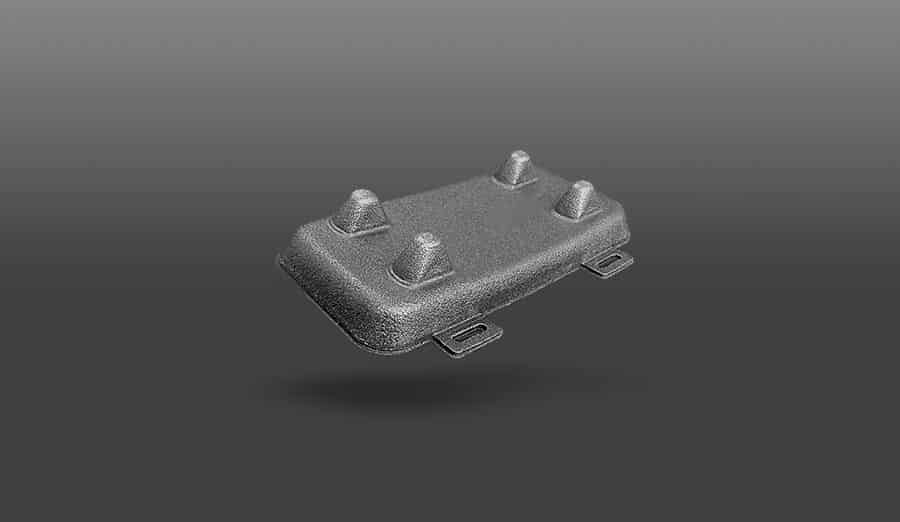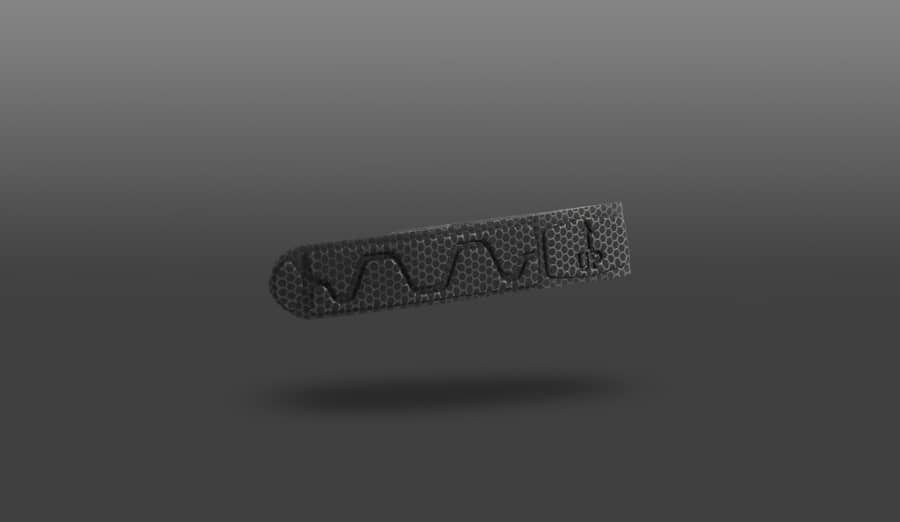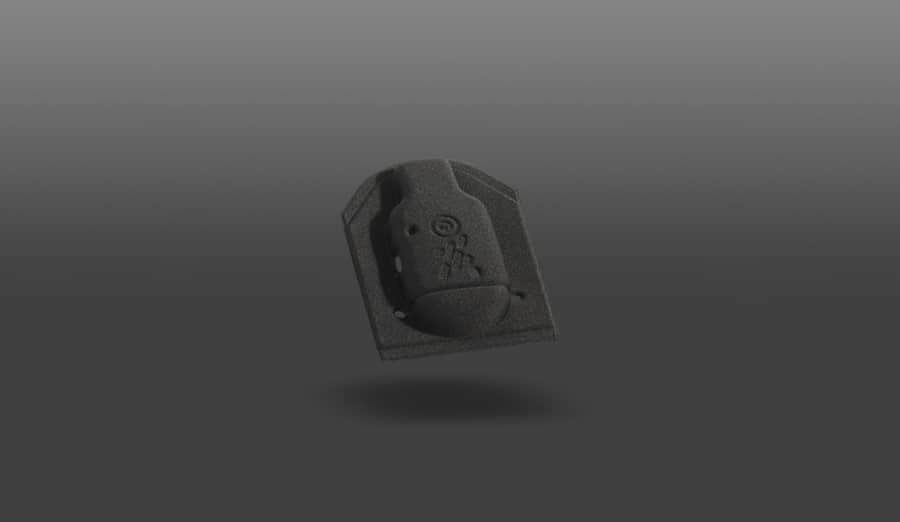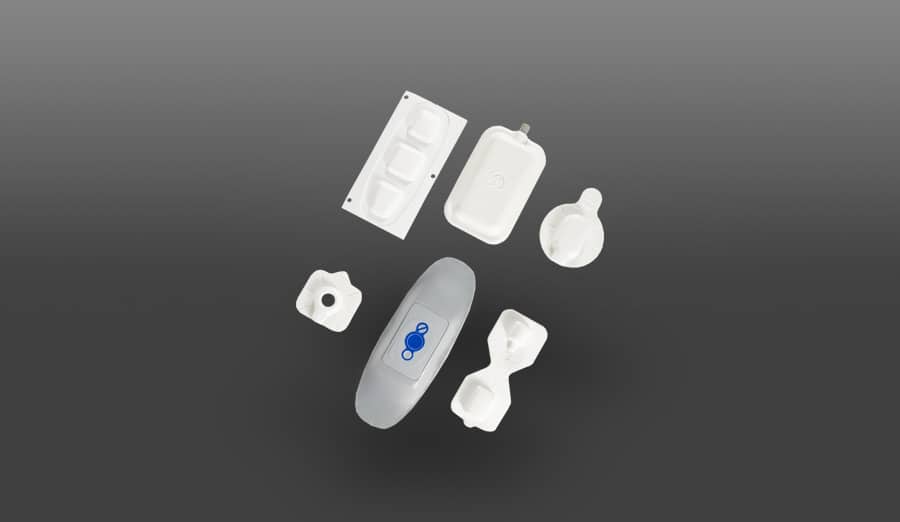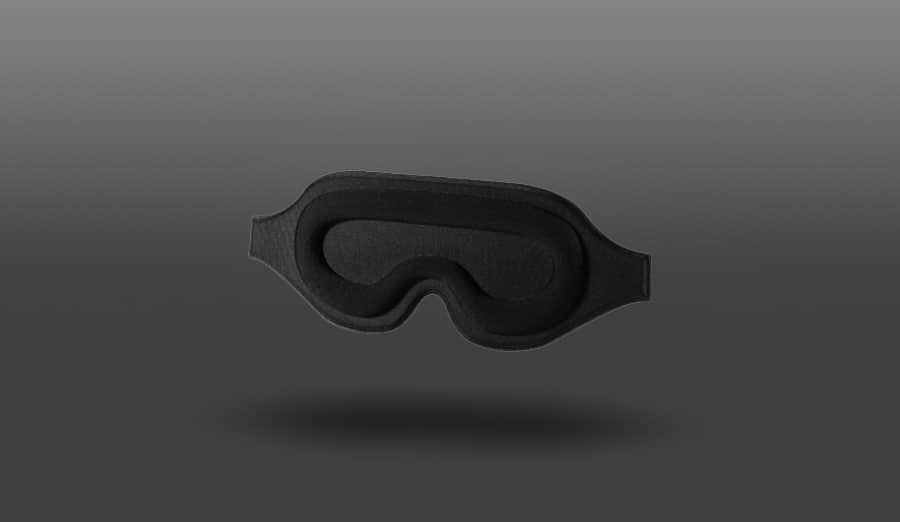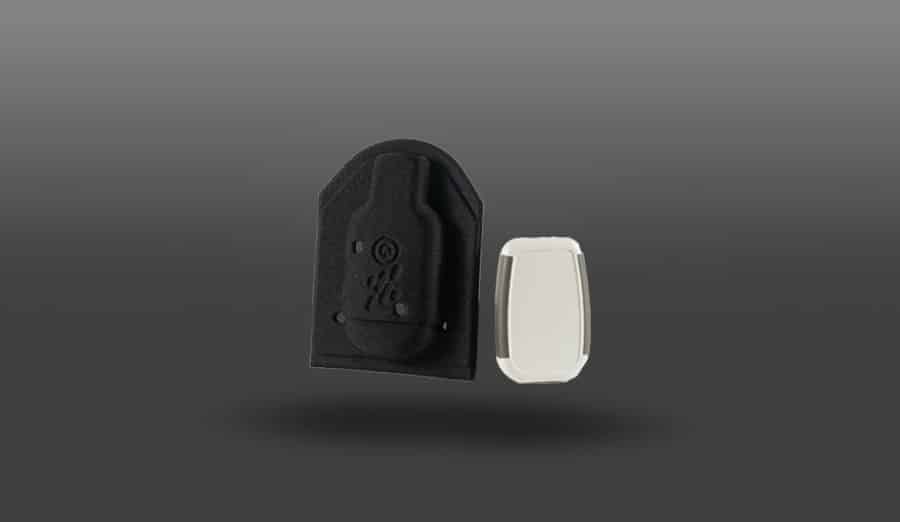

Custom fabricated and compression molded foam components are used in numerous applications in the medical market. Foam parts are used as lightweight, skin-safe housings for wearable monitoring devices, protective packaging for medical devices, padding systems for neck, back, knee and ankle braces, consumable parts for diagnostic devices, just to name a few.
Some of the many applications for foam components within the medical market include:
Flextech has more than 30 years of assisting in the design, development, and manufacturing of engineered foam solutions for the medical market. We have experience working with medical device startups as well as Fortune 100 and 500 medical device companies. We are knowledgeable about the unique requirements of the medical device market. We also stay abreast of advances in foams and the other materials we supply the medical market segments we serve.
If you have an application for a new foam component for use in the medical market, we invite you to connect and collaborate with our technical sales experts. We look forward to hearing from you and helping to bring your product to market.
Yes. Flextech supports the complete product development cycle and tooling process, from early-stage prototype tooling through validated production tooling. This process is the same whether the project is for a simple die cut foam part or a complex compression-molded or vacuum-formed foam part.
At Flextech, single-cavity prototype tooling is typically developed and built using the same materials and manufacturing processes that we utilize for production tooling. Over the years, we have found that this approach produces prototype parts that closely mirror those from production tools in terms of geometry, performance, and manufacturability. This reduces any potential variability between prototype development and production phases and allows for more accurate validation of fit, function, and material behavior early in the process.
Following prototype tool build and part approval, Flextech transitions to production tooling. These multi-cavity tools are engineered for repeatability, dimensional stability, and long production life.
For medical applications, this transition is managed with an emphasis on:
This two-phase tooling approach reduces development risk while ensuring scalability into higher-volume production.
Flextech utilizes a range of converting and thermoforming processes depending on the material, part geometry, and application requirements.
Our Processes Include:
Skiving / Splitting
This is the process of cutting foam materials to specific thicknesses by way of a specialized horizontal cutting machine. Flextech has two German-engineered and built Fecken-Kirfel GmbH & Co. skiving/splitting machines. These machines set the industry standard for cutting a wide variety of soft-to-very-firm materials to precise thicknesses at impressive speeds. These tight tolerances are often critical for medical applications.
Flextech utilizes flatbed die cutting, high-speed die cutting, and kiss cutting to produce two-dimensional custom parts from a wide variety of foams and foam composites. The process used is determined by the raw material type, thickness, part geometry, and the quantity of parts required.
Thermoforming
In order to produce three-dimensional foam components, Flextech utilizes three different foam thermoforming methods. The three methods are compression molding, vacuum forming, and encapsulation molding. Each of these processes produces formed parts with unique characteristics. These different methods allow us to manufacture custom thermoformed foam, thermoformed foam/fabric, or foam/adhesive components for our customers.
Lamination and Adhesive Bonding
Flextech has a range of lamination capabilities that allow us to manufacture custom foam composites from a wide variety of foams and other substrates. These substrates include, but are not limited to, open- and closed-cell foams, knit and woven textiles, thermoplastic films, medical-grade coated fabrics, pressure-sensitive adhesives, and many other specialized materials.
Our lamination capabilities include hot-melt film lamination, flame lamination, and pressure-sensitive adhesive lamination.
Selecting the appropriate foam material for a medical application requires balancing performance, patient safety, manufacturability, and regulatory considerations. The ideal foam for one medical application may be completely unsuitable for another, which is why material selection should always begin with the specific functional requirements of the finished product.
For medical packaging applications, foam materials are typically selected based on their ability to protect sensitive devices and instruments during shipping, handling, storage, and sterilization. Closed-cell polyethylene foams such as Volara® and Zotefoams® are frequently used because they offer consistent density, low moisture absorption, chemical resistance, and clean, non-particulating surfaces suitable for medical environments. Material consistency and cleanliness are especially important for packaging systems used in sterile or cleanroom-sensitive applications.
For patient positioning and support applications, the focus shifts toward pressure management, cushioning performance, comfort, and durability. These applications often require foams that can maintain their physical properties under repeated compression while helping distribute pressure evenly during prolonged procedures or patient use. Depending on the application, softer polyurethane foams may be selected for comfort, while firmer cross-linked or EVA foams may be preferred where additional support, dimensional stability, or fluid resistance is required.
For wearable diagnostic and therapeutic devices, foam selection becomes even more specialized because the material may remain in direct contact with the skin. In these applications, manufacturers commonly prioritize:
Wearable applications such as monitoring patches, therapeutic supports, diagnostic sensors, and device interfaces often use specialty cross-linked polyethylene or polyurethane foams that combine softness, durability, and clean converting characteristics. Additional Considerations Across Medical Foam Applications May Include
At Flextech, foam material selection is typically approached collaboratively during the design and development process to help ensure the material aligns with the performance, manufacturing, and regulatory needs of the final medical product.
Yes. Flextech supports the production of complex medical foam components ranging from simple positioning pads to highly engineered three-dimensional compression-molded foam parts used in demanding medical applications.
Our manufacturing processes include skiving, laminating, die cutting, and three types of thermoforming (compression molding, vacuum forming, and encapsulation molding), allowing us to produce parts with deep draws, contoured surfaces, varying thicknesses, and tight dimensional requirements.
These capabilities are commonly used for applications such as:
Many of these parts incorporate multiple materials, adhesives, films, plastics, or reinforcement components as part of the finished assembly.
Flextech’s technical sales and engineering teams work closely with customers during product development to help optimize part geometry, material selection, and manufacturability before a program reaches full production.
Whenever possible, we build prototype tooling using the same general processes and tooling concepts that will later be used in production. Over time, we have found this helps produce prototype parts that more accurately represent production parts, resulting in a smoother transition into volume manufacturing.
If you have an application for a custom foam component, contact the experts at Flextech at (952) 345-0012 or contact us today.
We look forward to hearing from you!